Why Prenatal Nutrition Matters
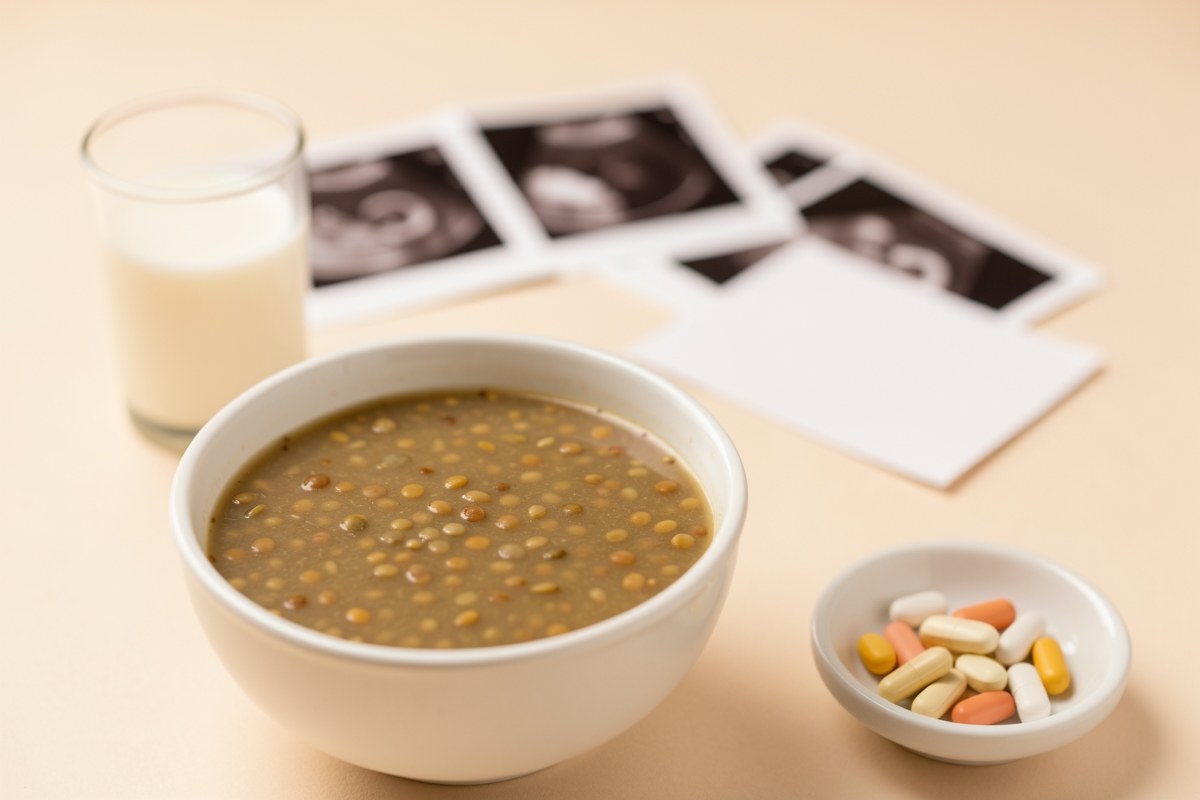
During pregnancy, your body needs higher amounts of certain vitamins and minerals to support both your health and your baby's development. Eating a variety of foods from all five food groups—fruits, vegetables, whole grains, lean proteins, and dairy—combined with a daily prenatal vitamin, is widely recommended to meet these increased needs.
The neural tube, which becomes the baby's brain and spinal cord, develops very early in pregnancy, often before you know you are pregnant. This is why starting prenatal vitamins before conception is ideal. Most healthcare providers recommend taking a prenatal vitamin with folic acid for at least one month before you start trying to conceive and continuing through the first 12 weeks of pregnancy.
Sources: Mayo Clinic, American College of Obstetricians and Gynecologists
Key Vitamins and Minerals for Pregnancy
Several nutrients are especially important during pregnancy. The table below summarizes their recommended daily amounts and roles, as well as common food sources.
| Nutrient | Daily amount | Role in pregnancy | Food sources |
|---|---|---|---|
| Folic acid | 600 mcg total (at least 400 mcg from supplement) | Helps prevent neural tube defects | Fortified cereal, leafy green vegetables, citrus fruits, beans |
| Iron | 27 mg | Helps red blood cells deliver oxygen to the baby | Lean red meat, poultry, fish, beans, iron-fortified cereals |
| Calcium | 1,000 mg (ages 19 and older) | Builds the baby's bones and teeth | Milk, cheese, yogurt, fortified juices |
| Vitamin D | 600 IU | Supports fetal bone development and calcium absorption | Fortified milk, fatty fish, egg yolks, sunlight |
| Choline | 450 mg | Supports fetal brain and spinal cord development | Beef, eggs, milk, peanuts, soy products |
| Iodine | 220 mcg | Essential for fetal brain development | Iodized salt, dairy products, seafood, eggs |
Sources: American College of Obstetricians and Gynecologists, Mayo Clinic, University of Georgia Extension
Folic Acid and Iron: Why They're Critical
Folic acid is the synthetic form of folate, a B vitamin. It is the only form of folate proven to help prevent neural tube defects (NTDs) such as spina bifida. The recommended total intake during pregnancy is 600 micrograms (mcg) of dietary folate equivalents (DFE), which typically includes a supplement of 400–800 mcg. Women who have had a child with a neural tube defect have a different recommendation: 4 milligrams (mg) of folic acid daily as a separate supplement, starting at least three months before pregnancy and continuing through the first three months of pregnancy.
Iron needs increase during pregnancy because your body produces extra blood to supply oxygen to the baby. The recommended amount is 27 mg per day. Iron deficiency is common during pregnancy; research shows that nearly one in four women develop iron deficiency in their third trimester.
If you take a prenatal vitamin, it will likely contain the recommended amount of folic acid and iron. However, be cautious about taking extra iron or folic acid supplements without your doctor's guidance, as too much of certain nutrients can be harmful.
Sources: American College of Obstetricians and Gynecologists, Mayo Clinic, Harvard T.H. Chan School of Public Health, University of Georgia Extension
foods to avoid
A balanced diet that includes a variety of nutrient-dense foods is the best way to meet your vitamin and mineral needs. The table in the previous section lists specific foods rich in each key nutrient.
By contrast, some foods require caution during pregnancy. Avoid fish that are high in mercury, such as shark, swordfish, and king mackerel. Instead, aim for 8–12 ounces (about 2–3 servings) of low-mercury fish per week, which supports the baby's brain development.
Also, avoid alcohol, limit caffeine, and be cautious with unpasteurized dairy and deli meats, which may carry harmful bacteria. Your healthcare provider can offer personalized advice based on your health and dietary preferences.
- Choose low-mercury fish: salmon, shrimp, pollock, and canned light tuna.
- Avoid high-mercury fish: shark, swordfish, and king mackerel.
- Cook meats thoroughly and wash produce well.
Sources: American College of Obstetricians and Gynecologists, Mayo Clinic, University of Georgia Extension
How to Choose a Prenatal Vitamin
Not all prenatal vitamins are the same. While most contain folic acid, iron, and vitamin D, some may lack choline and iodine—two nutrients that are important during pregnancy. When choosing a product, check the label for key ingredients and amounts. Look for at least 400 mcg of folic acid, 27 mg of iron, 1,000 mg of calcium (if not separate), 600 IU of vitamin D, 450 mg of choline, and 220 mcg of iodine, as these align with daily recommendations.
Gummy prenatal vitamins often do not contain iron because it affects taste and texture. If you choose a gummy, you may need a separate iron supplement. Always confirm the actual amounts on the label and discuss any gaps with your healthcare provider.
Dietary supplements, including prenatal vitamins, are not regulated by the U.S. Food and Drug Administration (FDA) as strictly as prescription drugs. Choose a product from a reputable manufacturer with a history of quality and consistency.
Sources: American College of Obstetricians and Gynecologists, Maternal Health, Neonatology and Perinatology (PMC), University of Georgia Extension, Consumer Reports
Supplements to Discuss with Your Doctor
Even with a good diet and a prenatal vitamin, you may need additional supplements for certain nutrients. Many prenatal vitamins lack choline and iodine, so you might need separate supplements to meet recommended intakes. Your doctor can help you determine if these are necessary based on your diet and health.
Women who follow vegetarian or vegan diets may have higher needs for vitamin B12, iron, and iodine, as these are less abundant in plant-based foods. Your doctor can advise on appropriate supplementation.
If you have a history of a pregnancy affected by a neural tube defect, you may need a higher-dose folic acid supplement (4 mg daily) as mentioned above. This should be taken separately and under medical supervision.
Sources: American College of Obstetricians and Gynecologists, University of Georgia Extension, Mayo Clinic
Common Pregnancy-Related Nutrient Concerns
Beyond the essential vitamins and minerals, some women worry about getting enough omega-3 fatty acids (like DHA) for the baby's brain development. Discuss this with your doctor if you have questions.
Another concern is the risk of taking too much vitamin A. Excess vitamin A can cause birth defects, so do not double or triple your prenatal vitamin dose, and avoid separate high-dose vitamin A supplements unless prescribed. Prenatal vitamins contain safe amounts of vitamin A, but regular intake of extra vitamin A supplements can be harmful.
Your needs may change across trimesters. Early pregnancy emphasizes folic acid and iron; later pregnancy continues to require increased iron and also benefits from calcium and vitamin D. A steady daily prenatal vitamin and balanced meals generally cover these needs, but your provider may adjust recommendations based on blood tests or your health status.
- Do not exceed the recommended dose of any prenatal vitamin without medical guidance.
- Check whether your prenatal contains choline and iodine; if not, discuss supplementation with your doctor.
- Your doctor may perform blood tests to check iron levels, especially in the second and third trimesters.
Sources: American College of Obstetricians and Gynecologists, Mayo Clinic
Frequently asked questions
Can I take separate vitamins instead of a prenatal?
It is possible to get the same nutrients from separate supplements, but it is often more complicated and can increase the risk of overdosing on certain vitamins. For example, taking a standard multivitamin and extra folic acid might provide too much vitamin A. A prenatal vitamin is formulated to provide the right balance for pregnancy. If you prefer separate supplements, discuss the exact amounts with your healthcare provider to ensure you meet daily needs for folic acid, iron, calcium, vitamin D, choline, and iodine without exceeding safe limits.
Sources: American College of Obstetricians and Gynecologists, Mayo ClinicWhat if I am vegetarian or vegan during pregnancy?
A vegetarian or vegan diet can be healthy during pregnancy, but you may need to pay extra attention to certain nutrients. Because vitamin B12, iron, and iodine are more commonly found in animal products, you may need additional supplementation to meet pregnancy requirements. Your healthcare provider can assess your diet and recommend specific amounts. Many plant-based milks, cereals, and meat substitutes are fortified with these nutrients, but it is often difficult to get enough from food alone, so a prenatal supplement that includes these, along with possible extra supplements, is usually advisable.
Sources: American College of Obstetricians and Gynecologists, Mayo ClinicWhen should I start taking prenatal vitamins?
You should start taking a prenatal vitamin before you become pregnant, ideally at least one month before you start trying. This is because the neural tube forms very early in pregnancy, often before you know you are pregnant. Taking folic acid (at least 400 mcg daily) before conception and during the first 12 weeks of pregnancy significantly reduces the risk of neural tube defects. If you are already pregnant, start taking prenatal vitamins as soon as possible and continue through your pregnancy.
Sources: American College of Obstetricians and Gynecologists, Mayo Clinic, Harvard T.H. Chan School of Public HealthAre herbal supplements safe during pregnancy?
Herbal supplements are generally not recommended during pregnancy unless specifically prescribed by your healthcare provider. Many herbs have not been studied for safety in pregnancy, and some can cause harm to the developing baby. It is best to avoid all herbal supplements unless your doctor or midwife advises otherwise. Always tell your provider about any herbal product you are considering, as they can interact with medications or affect your pregnancy.
Sources: American College of Obstetricians and GynecologistsSources
- How to Choose a Prenatal Vitamin - Consumer Reports — Consumer Reports
- Nutrition Recommendations for Pregnant Women — University of Georgia Extension
- Evidence based recommendations for an optimal prenatal supplement for women in the US: vitamins and related nutrients — Maternal Health, Neonatology and Perinatology (PMC)
- Healthy Eating During Pregnancy - ACOG — American College of Obstetricians and Gynecologists
- Pregnancy diet: Focus on these essential nutrients — Mayo Clinic
- Folate (Folic Acid) – Vitamin B9 - The Nutrition Source — Harvard T.H. Chan School of Public Health